

•
Should Investors Walk Away from a Property With Foundation Issues?
Investing in real estate can be a daunting task, especially if you’re unfamiliar with the particulars of a real estate market. Among the many factors…

Investing in real estate can be a daunting task, especially if you’re unfamiliar with the particulars of a real estate market. Among the many factors to consider when choosing a new investment property, foundation issues can be one of the most troubling aspects of knowing whether to move forward with a property—or walk away.
Although encountering foundation problems is not necessarily a dealbreaker, it’s essential to know what these issues entail to avoid significant repair costs or buying a real estate investment property without realizing the extent of the foundation issues. Today we’ll discuss some of the more common types of foundation problems, how to assess the severity, and how they can impact the success of your investment.
Understanding Foundation Issues
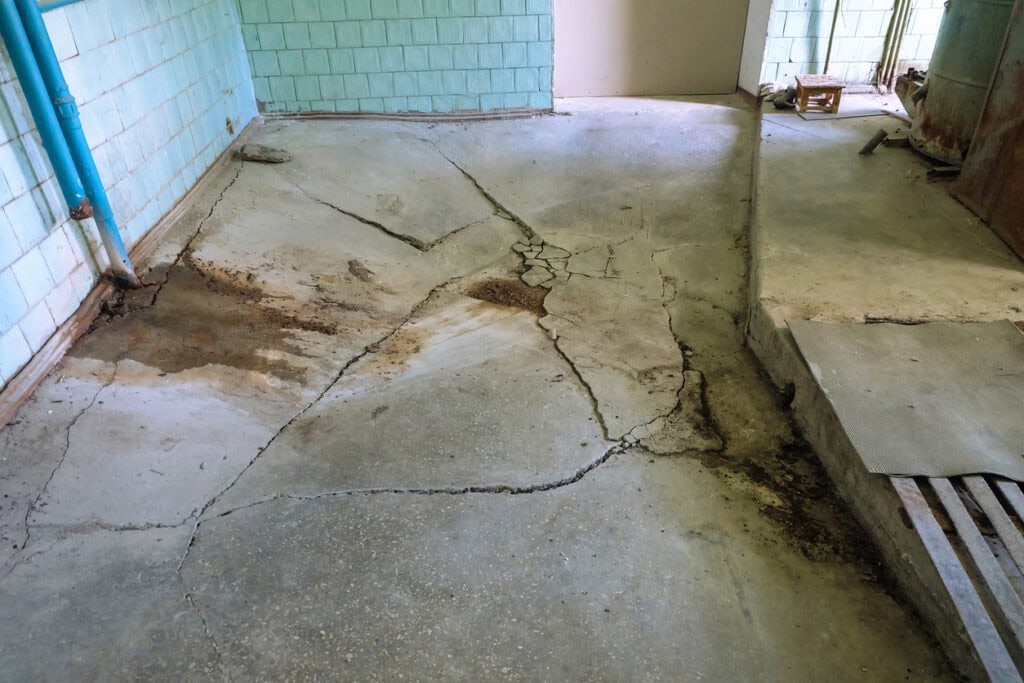
Foundations are quite literally the base upon which every home stands. When the foundation is compromised, it can affect the structural integrity of the entire property. Common foundation problems include settling or sinking, horizontal or vertical cracks, bowing walls, moisture intrusion, and shifting caused by expansive soil or erosion.
Some issues might be cosmetic or minor, such as hairline cracks from normal settling, while others, like major slab shifting or basement wall collapse, can lead to dangerous living conditions and substantial repair bills. As an investor, knowing the difference between minor defects and deal-breaking damage is key.
It’s also important to understand how environmental and geographic factors can impact foundations. Properties in areas with high clay content, frequent flooding, or poor drainage systems are more susceptible to shifting. Even drought conditions can cause soil contraction that stresses the foundation. Regional awareness plays a key role in predicting and preventing costly repairs.
Inspect Every Property From Top to Bottom
If you’re thinking about buying a property with foundation issues, it’s essential to do your due diligence before making any decisions. A proper inspection can reveal what your eyes may miss—and help you negotiate or walk away confidently.
First, make sure to conduct a comprehensive property inspection, including both the roof and foundation. Look for signs like cracks in the walls or floors, gaps around window and door frames, sticking doors, water damage in basements or crawlspaces, and sloping floors. These may indicate shifting or weakening of the foundation.
Inspections are crucial before closing on a new property. Be sure to ask detailed questions when reviewing inspection reports and working with your inspector—especially if the report notes structural issues or red flags about the foundation that could make a property too expensive to repair to achieve the ROI you need. Whether you can physically make it to the property or not, partner with a reliable inspector who delivers an honest assessment of the foundation and other critical components.
Seek Advice From a Structural Engineer
When learning how to get into real estate investing, seeking professional advice is vital. This is especially true for structural issues—such as foundation problems.
A structural engineer can help assess damage or potential problems from the inspector’s report and offer recommendations on fixing the issue. Their expertise goes beyond what a general inspector provides, giving you deeper insight into whether the issue is cosmetic, moderate, or severe. The engineer’s evaluation will also estimate repair costs and safety risks, helping you decide how to proceed.
While a structural engineer consultation may cost a few hundred dollars, it can save you tens of thousands by preventing a bad investment. Real estate investors often find that the cost of expert evaluations is minimal compared to the cost of fixing a problem that was overlooked or underestimated. It’s always better to be safe than sorry!
Weigh Costs vs. Potential Returns
If you are considering investing in a property with foundation problems, make sure you weigh the potential costs of repair vs. the returns you need for a successful investment. While many residential properties have foundation issues, not all are cost-prohibitive or unwise to repair for a profitable investment.
Start by getting repair estimates from two or three reputable foundation repair contractors. Compare the projected costs against the property’s ARV (after repair value), the cost of additional renovations, and your financing options. Factor in holding costs, resale potential, and your target ROI.
Also consider the long-term maintenance of the property. Will the soil movement continue? Are additional supports, moisture barriers, or grading improvements needed to prevent future damage? Understanding the lifetime cost of ownership—beyond just the initial repair—will better inform your decision.
Structural repairs may be necessary to keep the property operational and available for rental or sale. In many cases, it’s simply a smart idea to fix minor issues according to your budget and what the property needs. However, if the foundation problems are severe enough—costing more than 25-30% of the purchase price—it may be better to abandon the property and move on to the next opportunity in your real estate portfolio.
When Is It a Dealbreaker?
So, what’s the bottom line when it comes to foundation problems that are too extensive to justify the expense? There are several legitimate reasons why a real estate investor might walk away from a property without fixing foundation issues.
First, if the foundation repair is just the tip of the iceberg and the property also requires a new roof, updated plumbing, HVAC replacement, and mold remediation, the cumulative repair costs could quickly destroy your budget. Second, if the seller is not willing to negotiate the price after a home inspection reveals significant foundation issues, that may signal inflexibility—and possibly more hidden problems.
Additionally, if the seller refuses to fix the problem or even lower the asking price, that can be a red flag. Sometimes, sellers don’t want to spend money fixing problems or may be unaware of the extent of the damage. Lastly, if there aren’t enough resources available to fix the problem safely and cost-effectively—including reliable contractors or access to the right materials—it may be too risky to continue.
If your lender declines to finance the property due to the foundation condition, that’s another indicator that the risk is too great. Banks often won’t underwrite properties with serious structural flaws. If you’re left with limited financing options or higher-interest private loans, that cuts further into your bottom line.
When Is It a Worthy Investment?
If you are looking for a property to invest in and the only catch is that it has some minor foundation issues, consider ways to make it work. Many reliable contractors can take care of the repairs quickly and without any significant costs.
In fact, foundation issues can be an opportunity to add value. Sellers often discount properties with foundation concerns, allowing you to negotiate a better price. If your contractor can repair the problem affordably and certify the work, the property can gain back market value—and more. Some investors specialize in buying distressed homes, including those with foundation problems, because the upside potential is so high.
This is especially true in markets where competition is high. Distressed properties scare off less experienced buyers, creating more room to negotiate. When you’re equipped with the right tools, knowledge, and repair team, you can turn these properties into high-performing assets.
However, you must proceed with caution and with the right team. Ensure you account for every cost and timeline before committing. Be realistic about how long repairs will take, how they affect your financing, and whether they delay your sale or rental strategy.
Tips for Making a Smart Investment Decision
- Always hire a qualified home inspector and structural engineer before purchasing any property with visible or suspected foundation issues.
- Obtain multiple bids from licensed contractors to determine fair repair estimates.
- Use the inspection report as leverage in negotiating the property’s price.
- Understand local soil conditions, as some regions are more prone to foundation problems.
- Review the title, permits, and disclosures carefully for any history of structural issues.
- Budget for long-term preventative measures such as installing proper drainage, gutters, and grading.
Find Your Next Real Estate Investment Deal With Privy
When purchasing a property with foundation issues, it is essential to do your research and consult with professionals. Many issues can be corrected without difficulty, but others may require more extensive repairs that lead to income loss.
Are you ready to start real estate investing today? Privy can help you find your first (or next) investments for rental properties or fix-and-flip homes. With our cutting-edge technology and platform evaluating your preferred real estate market, you’ll have plenty of investment property options to inspect and analyze while building your portfolio. Privy helps you make informed decisions based on real-time data and investor insights, so you avoid pitfalls and maximize returns.
Conclusion
Deciding whether to walk away from a property with foundation issues depends on multiple factors: the severity of the damage, the repair costs, the property’s potential, and your own experience and budget. In some cases, these issues create golden opportunities. In others, they’re warning signs to take your capital elsewhere.
Use a disciplined approach when evaluating these properties, and always prioritize due diligence. Your success in real estate investing hinges not only on buying low and selling high—but buying smart. If you invest with insight and protect yourself with expert evaluations, foundation issues don’t have to derail your goals.
Ready to Make Smart Investment Decisions?
Let Privy help you source better deals, analyze properties faster, and scale your portfolio with confidence. Sign up today and gain access to investment-grade data, repair comparables, and insights that turn foundation-challenged homes into profitable opportunities.